Archives
- 2026-10
- 2026-09
- 2026-08
- 2026-07
- 2026-06
- 2026-05
- 2026-04
- 2026-03
- 2026-02
- 2026-01
- 2025-12
- 2025-11
- 2025-10
- 2025-09
- 2025-03
- 2025-02
- 2025-01
- 2024-12
- 2024-11
- 2024-10
- 2024-09
- 2024-08
- 2024-07
- 2024-06
- 2024-05
- 2024-04
- 2024-03
- 2024-02
- 2024-01
- 2023-12
- 2023-11
- 2023-10
- 2023-09
- 2023-08
- 2023-07
- 2023-06
- 2023-05
- 2023-04
- 2023-03
- 2023-02
- 2023-01
- 2022-12
- 2022-11
- 2022-10
- 2022-09
- 2022-08
- 2022-07
- 2022-06
- 2022-05
- 2022-04
- 2022-03
- 2022-02
- 2022-01
-
Tephrosia purpurea Linn pers Fabaceae a widely growing
2023-01-09
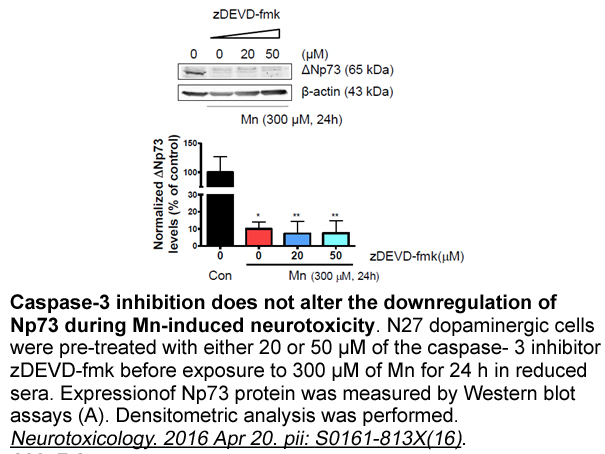
Tephrosia purpurea (Linn.) pers, (Fabaceae), a widely growing herbaceous perennial is reported to exhibit significant anti-hyperglycemic activity in animal models [7], [8], [9] as well as able to delay the development of diabetic complications [10], [11]. Recently, we have reported T. purpurea for
-
Within the PARP family TIPARP is most evolutionarily conserv
2023-01-09
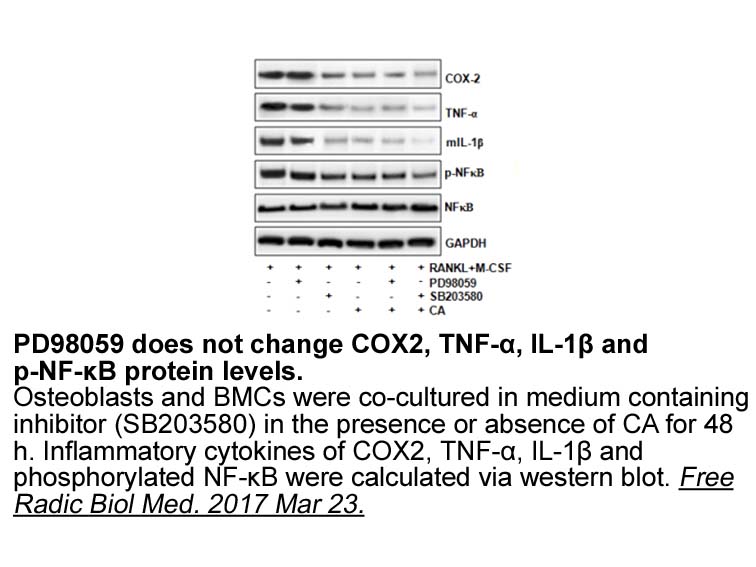
Within the PARP family, TIPARP is most evolutionarily conserved with PARP12 (ARTD12) and PARP13 (ARTD13) [27,28,41]. All three proteins contain at least one RNA-type CCCH zinc finger domain, a poly-ADP-ribose binding WWE domain and a PARP catalytic domain (Fig. 1). PARP13 is catalytically inactive,
-
NLX a k a F
2023-01-09
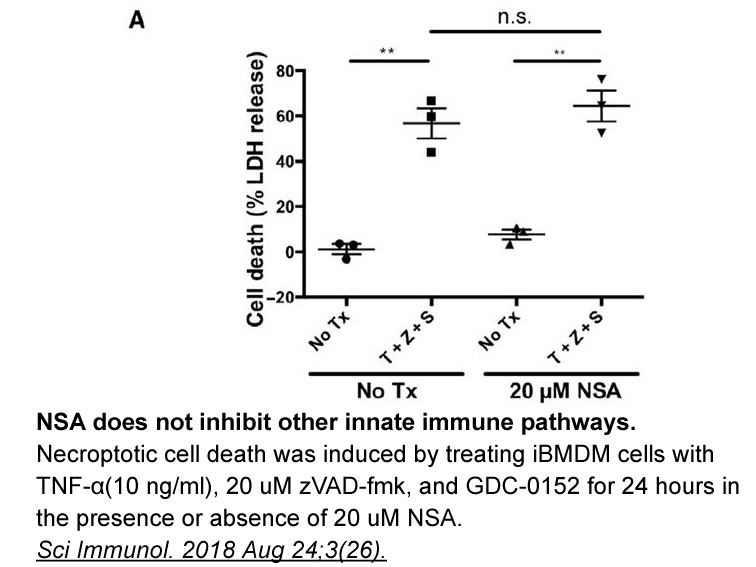
NLX-112 (a.k.a. F13640 or befiradol), exhibits nanomolar affinity at 5-HT1A receptors, and, in choline alfoscerate australia to the 5-HT1A receptor agonists listed above, it presents exceptional selectivity and high efficacy at these receptors (Colpaert et al., 2002, Newman-Tancredi et al., 2017).
-
Previous studies have demonstrated the presence of
2023-01-05
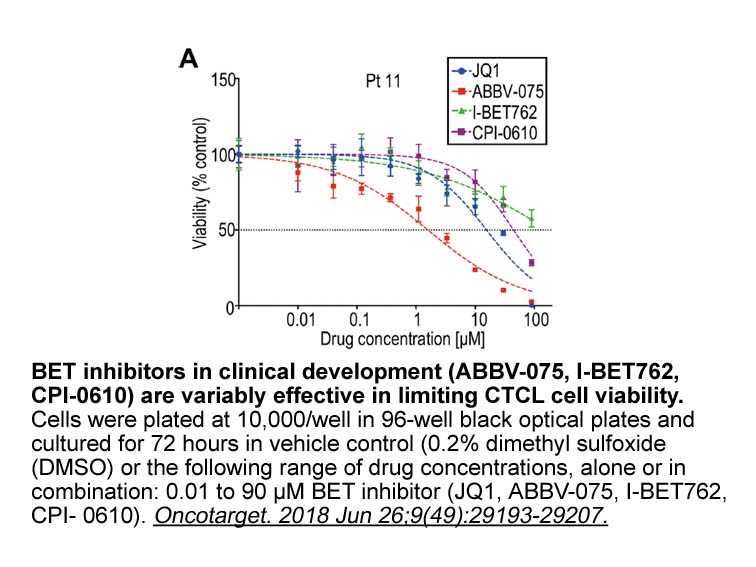
Previous studies have demonstrated the presence of soluble NTPDases, 5′-nucleotidase and adenosine deaminase in rat blood serum as well as in human blood (Doleski et al., 2016; Oses et al., 2004; Yegutkin, 1997; Yegutkin et al., 2007). In addition, our earlier reports have shown that these membrane-
-
Another topic for research will
2023-01-05
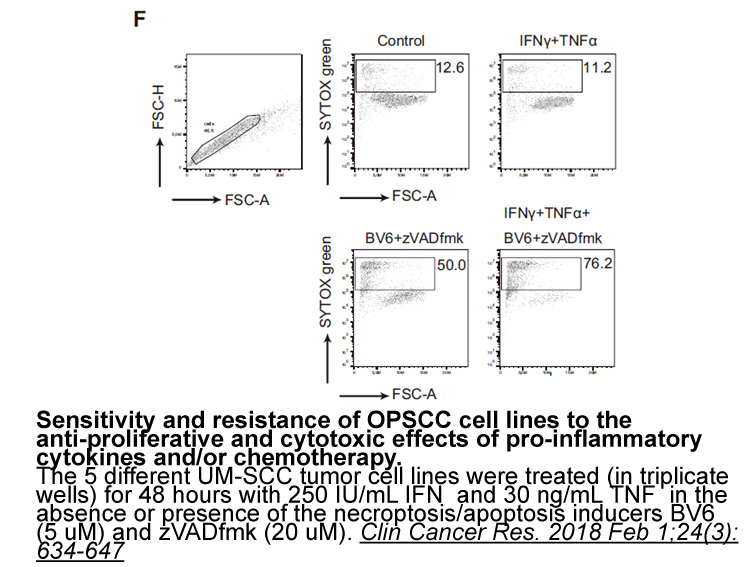
Another topic for research will be the combination of other cytotoxic agents with Aurora kinase inhibitors. Particularly interesting might be the combination of Aurora kinase inhibitors and agents that depend on the spindle checkpoint for their activity, such as the taxanes, given the importance of
-
Lower LDL C mediated by
2023-01-05

Lower LDL-C mediated by variants in the ACL gene is causally associated with the risk of cardiovascular events. Because, genetic variants that mimic the effect of an ACL inhibitor have the same effect on the risk of cardiovascular events per unit change in LDL-C as variants that mimic the effect of
-
To further investigate the role of cholesterol in
2023-01-05
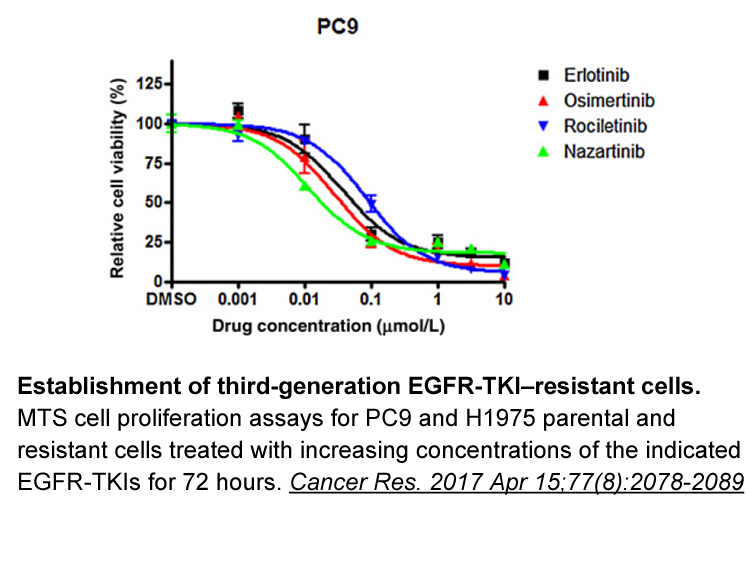
To further investigate the role of cholesterol in the Rh2-induced cytotoxicity, we then focused on the U937 cell line, which is cholesterol auxotroph and considered as a valuable model to study the importance of cholesterol in membrane structure and function (Billheimer et al., 1987), and used the e
-
br Experimental br Acknowledgment This
2023-01-05
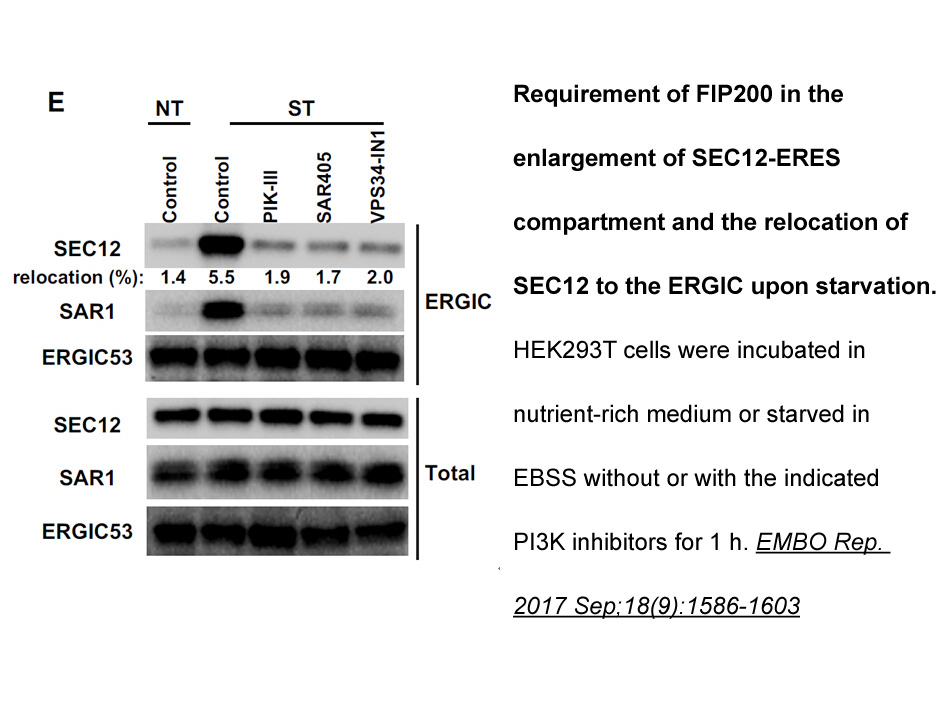
Experimental Acknowledgment This paper was financially supported by the Project Funded by China Postdoctoral Science Foundation (2017T100186), Natural Science Foundation of Liaoning Province (20170540858), General Scientific Research Projects of Department of Education of Liaoning Province (20
-
Expression of Twist and the
2023-01-05
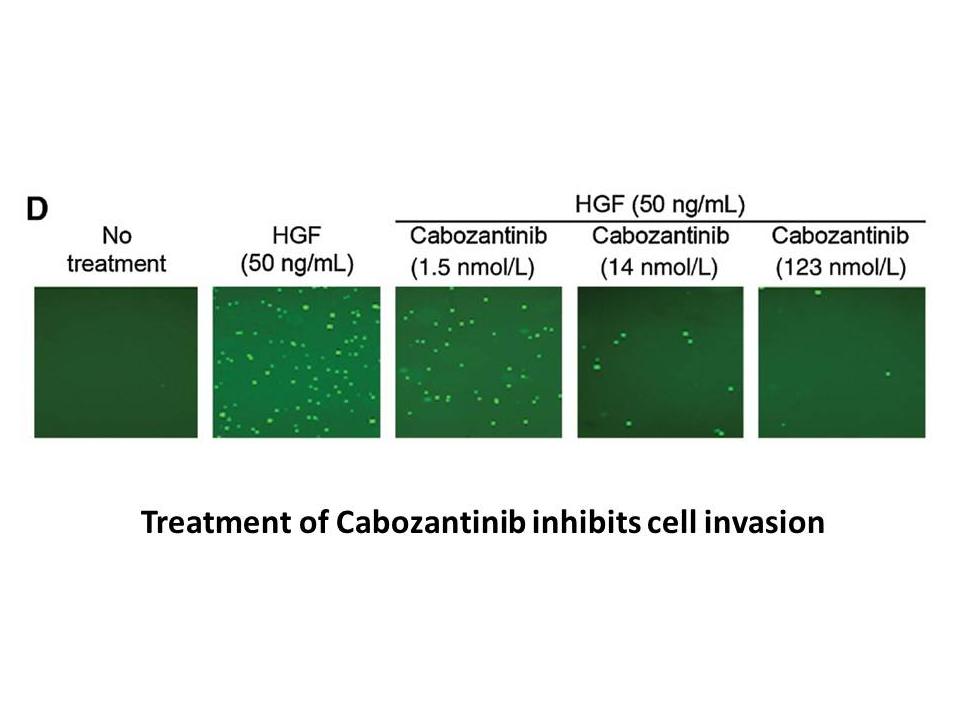
Expression of Twist1 and the AR are increased by oxidative stress, but the change in the receptor (mRNA/protein) is lost after treatment with siRNAs that target Twist 1 (Shiota et al., 2010). Twist 1 was found to bind to E-boxes, 5′-CANNTG-3′, in the proximal promoter (−442 to +51 bp) and upstream r
-
br Discussion AhR is a receptor that binds to a
2023-01-05
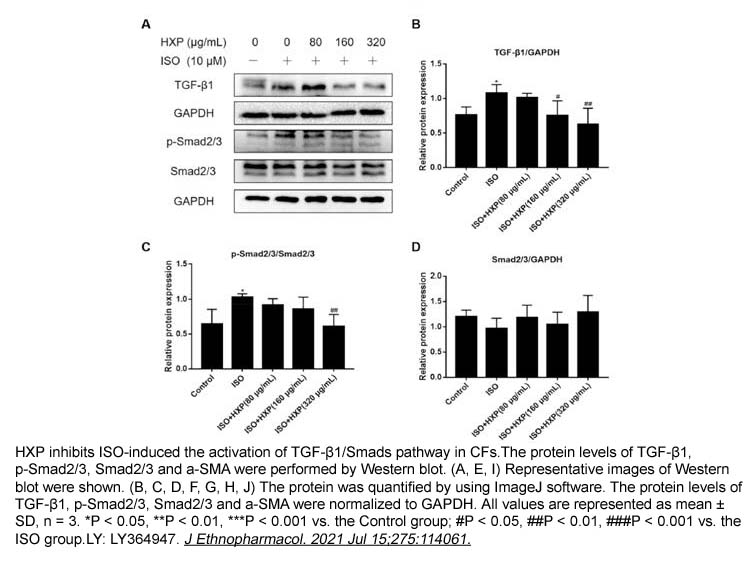
Discussion AhR is a receptor that binds to a great variety of lipophilic compounds, in particular those containing at least one aromatic ring (Abel and Haarmann-Stemmann, 2010, Guyot et al., 2013, Hahn, 2002). The main known function of this receptor is to induce the metabolism of these compounds
-
The potential use of derivatives belonging to this
2023-01-05
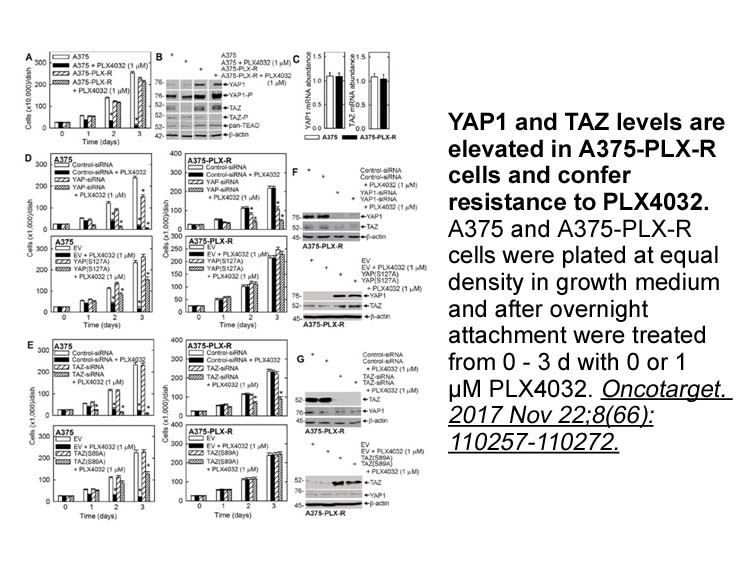
The potential use of derivatives belonging to this series as therapeutic agents mostly depends on their pharmacokinetics and pharmacodynamics. The pharmacokinetic phase includes absorption, distribution, metabolism and excretion (ADME) of the studied compounds. Therefore, preliminary data for theore
-
CYP A is one of the key
2023-01-04
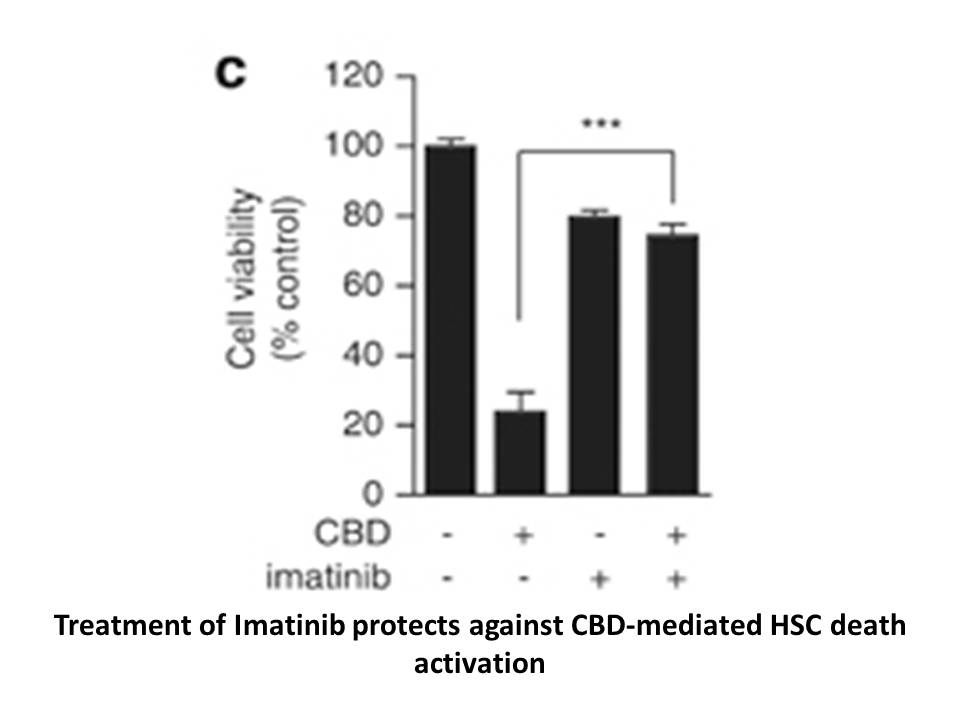
CYP3A4 is one of the key metabolizing 66 8 of the cytochrome P450 (CYP) superfamily of heme-containing monooxygenases. As the CYP family of enzymes plays important roles not only in the xenobiotic metabolism and detoxification of a large number of drugs, but also in the biosynthesis of endogenous s
-
In conclusion we report that the
2023-01-04
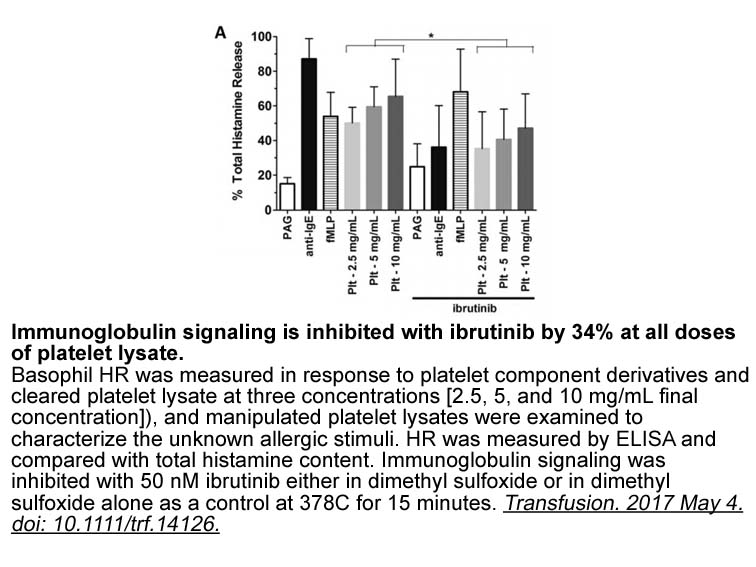
In conclusion, we report that the widely prescribed drug VPA exerts therapeutic effects on optic nerve demyelination and retinal degeneration in a mouse model of MS. Our findings raise an interesting possibility that combination therapy of VPA and ASK1 inhibition may be useful for treatment of autoi
-
Mianserin HCl br Experimental and simulation section br Ackn
2023-01-04
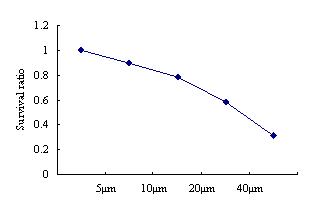
Experimental and simulation section Acknowledgments Financial support for this work was provided by the National Natural Science Foundation of China (No. 81101688). We would like to thank NC State University High Performance Computing Center for providing us computing resources, and Dr. Lihui
-
br Roles of apelin and APJ
2023-01-04
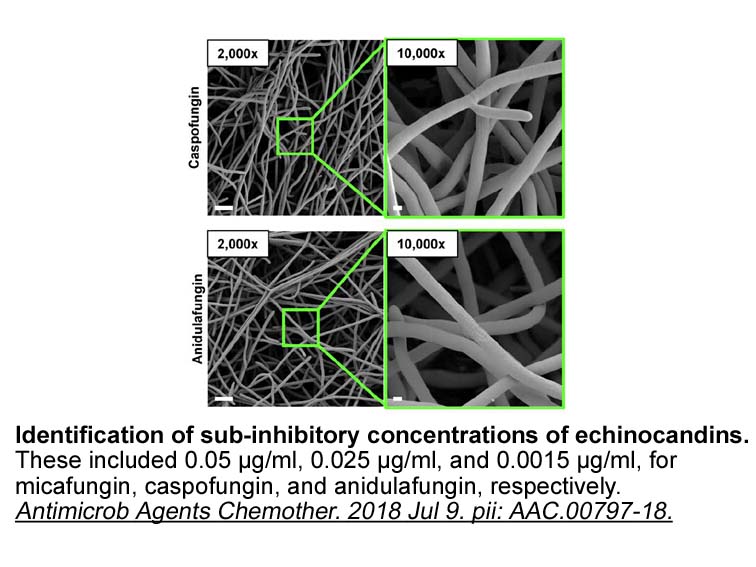
Roles of apelin and APJ in cardiovascular diseases Therapeutic potential of apelin/APJ in cardiovascular diseases Since the apelin/APJ system plays a key role in the occurrence and development of cardiovascular diseases, it seems logical to presume that targeting this axis should be feasible a
8567 records 402/572 page Previous Next First page 上5页 401402403404405 下5页 Last page