Archives
- 2026-10
- 2026-09
- 2026-08
- 2026-07
- 2026-06
- 2026-05
- 2026-04
- 2026-03
- 2026-02
- 2026-01
- 2025-12
- 2025-11
- 2025-10
- 2025-09
- 2025-03
- 2025-02
- 2025-01
- 2024-12
- 2024-11
- 2024-10
- 2024-09
- 2024-08
- 2024-07
- 2024-06
- 2024-05
- 2024-04
- 2024-03
- 2024-02
- 2024-01
- 2023-12
- 2023-11
- 2023-10
- 2023-09
- 2023-08
- 2023-07
- 2023-06
- 2023-05
- 2023-04
- 2023-03
- 2023-02
- 2023-01
- 2022-12
- 2022-11
- 2022-10
- 2022-09
- 2022-08
- 2022-07
- 2022-06
- 2022-05
- 2022-04
- 2022-03
- 2022-02
- 2022-01
-
br STAR Methods br Acknowledgments We thank the Shanghai
2022-06-15
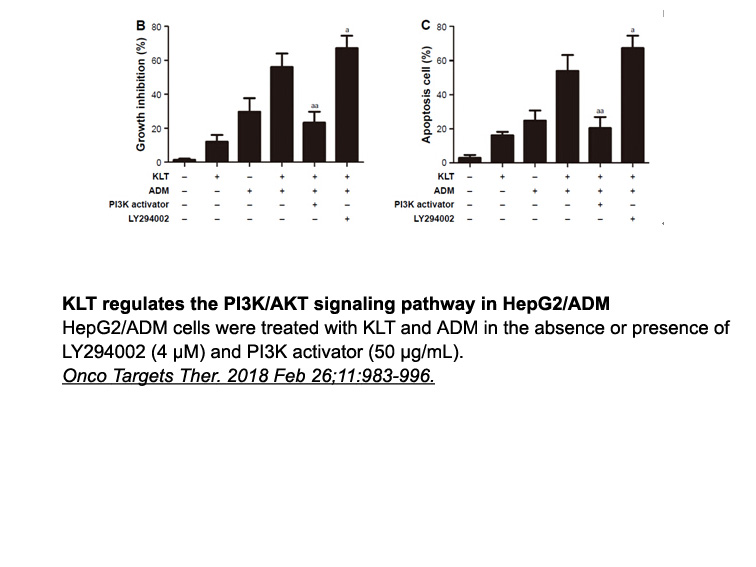
STAR★Methods Acknowledgments We thank the Shanghai Synchrotron Radiation Facility (SSRF) BL18U for help with X-ray data collection. We thank Dr. Thomas F.J. Martin for providing the pcDNA3.1-CAPS-1 plasmid and Dr. Xiaofei Yang for providing the pFHUUIG_shortU6 (l309) plasmid. We thank Dr. Shun
-
The organ culture method has previously shown to be a
2022-06-15
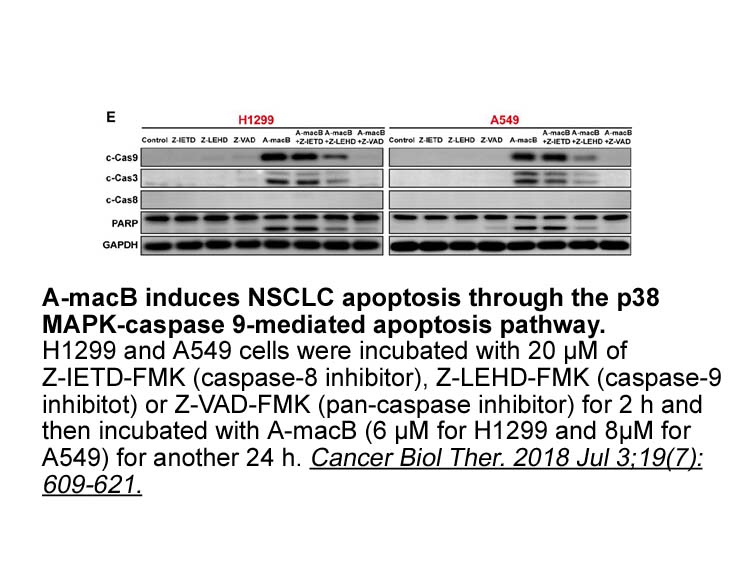
The organ culture method has previously shown to be a suitable model for investigations of receptor upregulation on vascular smooth muscle cells (Adner et al., 1996). In our study, the organ culture method was applied in order to examine whether LPS from P.g. was capable of altering the gene express
-
The molecular formula of was determined to be C
2022-06-15
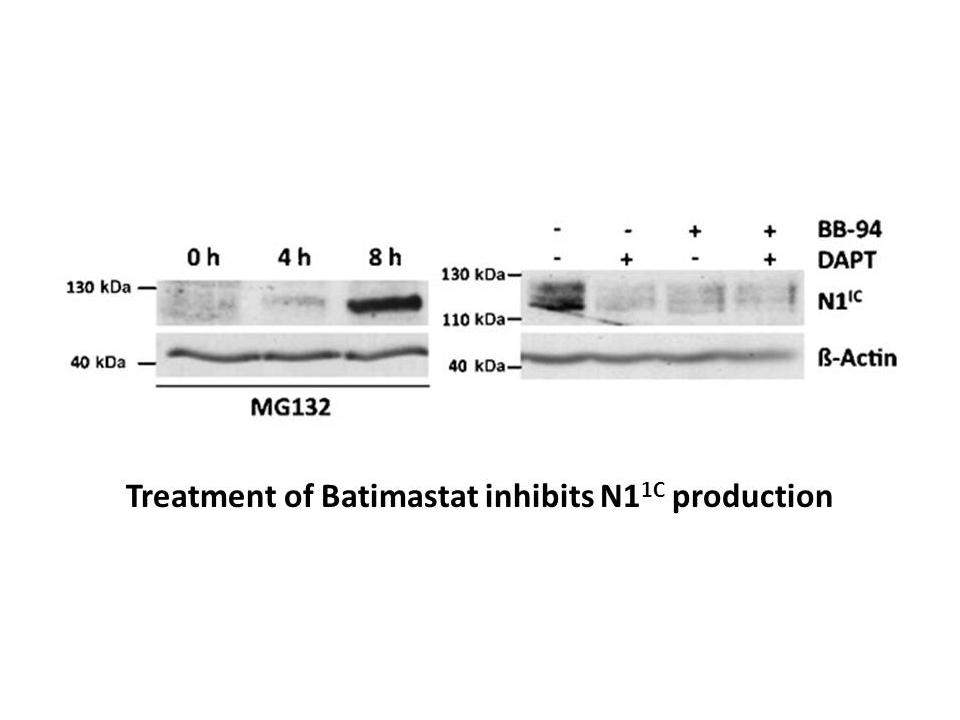
The molecular formula of 2 was determined to be C20H26O5 on the basis of HRESI (−) MS data at m/z 345.1705 [M–H]− (calcd 345.1702 for C20H25O5). Detailed analysis of the 1H and 13C NMR data of 2 revealed similar fragments compared with desoxyarticulin (Faini et al., 1987) except for an additional hy
-
Since stroke and cerebrovascular diseases were considered
2022-06-15
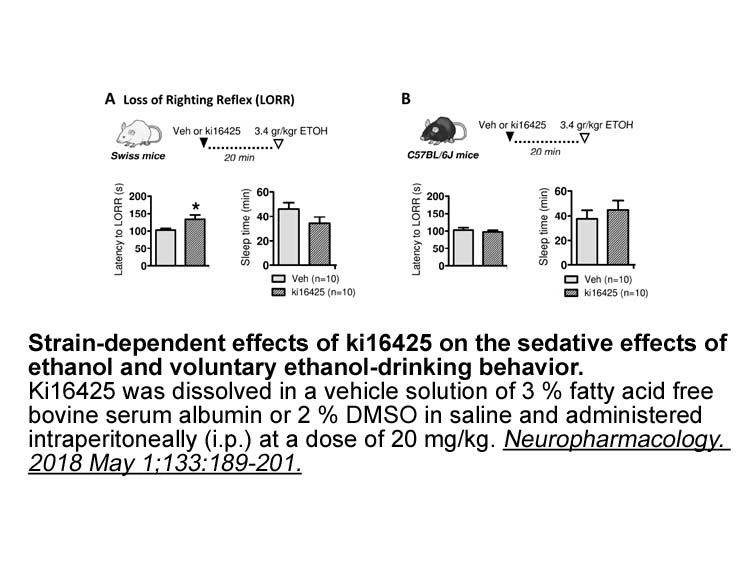
Since stroke and cerebrovascular diseases were considered serious AEs following vaccination, we performed manual chart review to confirm the diagnosis and symptom onset date for all stroke and cerebrovascular disease cases identified by ICD-9 codes. Chart review of 131 presumptive cases confirmed 82
-
Here we examined Meckel s cartilage of mice where Setdb
2022-06-15
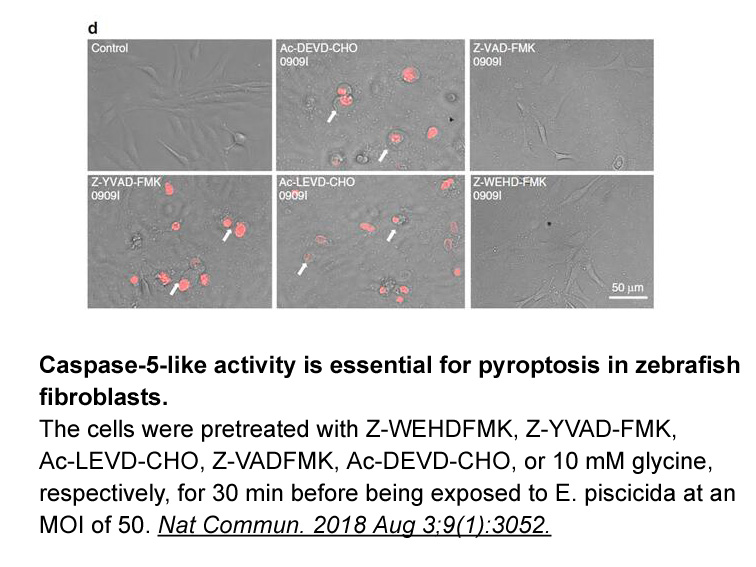
Here, we examined Meckel's cartilage of mice where Setdb1 was knocked out only in neural crest derived bromfenac with the purpose of investigating the roles of Setdb1 in Meckel's cartilage, a supportive tissue for mandible formation. We observed enlarged Meckel's cartilage that was a result of incre
-
beta lactamase inhibitor Expression of p NTR has
2022-06-15

Expression of p75NTR has been linked to several aspects of aggressive glioma growth, including migration and invasion, by various mechanisms in a large number of elegant studies [6], [7], [26], [27]. Our study adds to this literature by demonstrating specific roles in hypoxic tumor cells and regulat
-
Due to the importance of gene regulation in cancers HDAC
2022-06-15
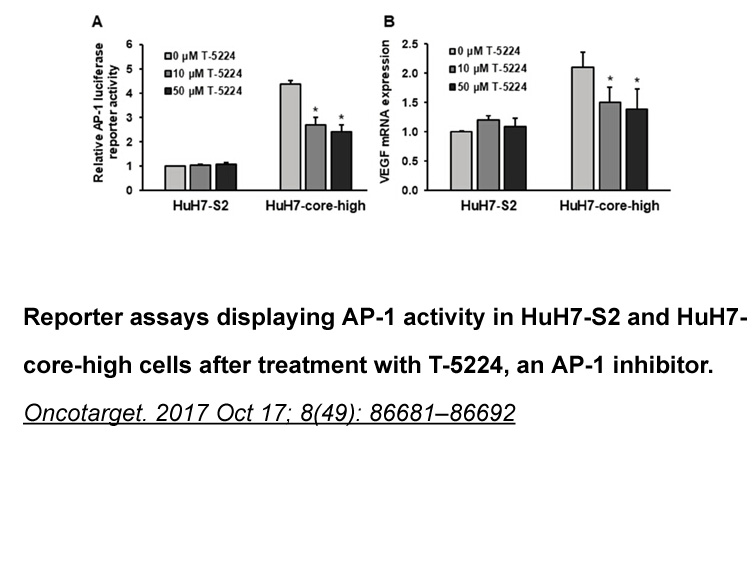
Due to the importance of gene regulation in cancers, HDAC inhibitors have been studied extensively in cancer biology and are in current clinical use as anti-tumor therapies [17]. The HDAC inhibitors vorinostat, romidepsin, and belinostat have been approved for certain T-cell lymphomas, and panobinos
-
Significan http www apexbt com media diy images wb B
2022-06-15
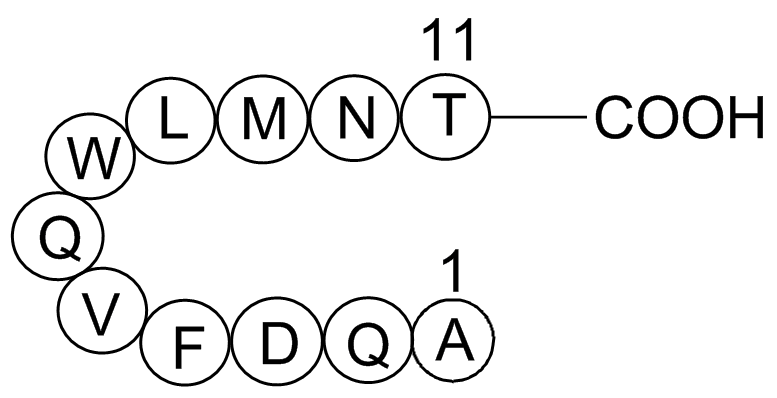
Significant DNA damage was observed in hemolymph of molluscs exposed to raw composite tannery effluent as evident from comet assay images. DNA damage was evaluated by the presence of tail resembling that of comet in single strand DNA. Break in DNA strand was reported in the liver and gill porcn mg
-
Dendritic damage and loss of synaptic
2022-06-14
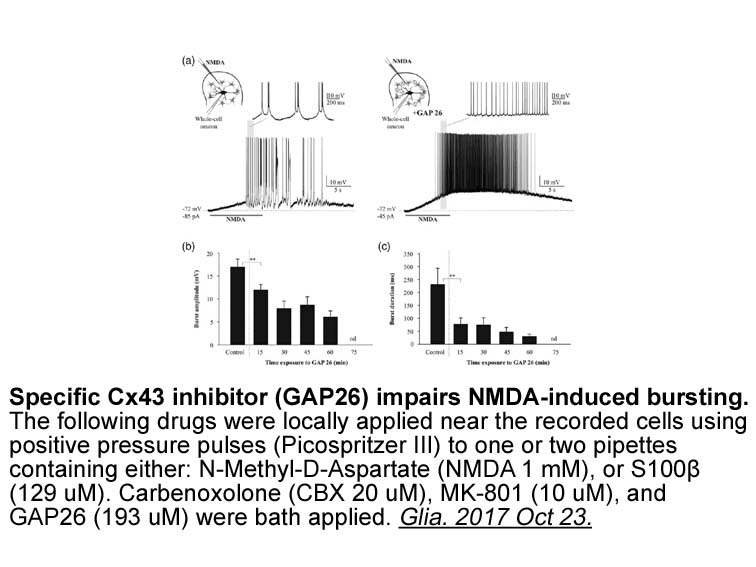
Dendritic damage and loss of synaptic connections correlate with cognitive decline in HAND patients. Synapse loss induced by HIV proteins occurs early and via a different signaling pathway from that leading to neuronal death (Kim et al., 2008), suggesting that synapse loss might be a mechanism to re
-
Patient characteristics are presented in Serum oestradiol le
2022-06-14
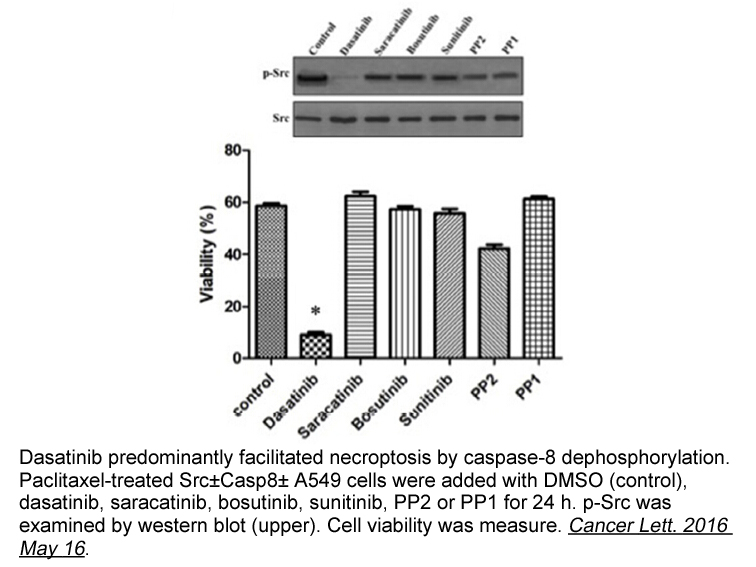
Patient characteristics are presented in . Serum oestradiol levels on the day of oocyte retrieval or warming were higher in group A (253.2 pg/ml) compared with group B (192.6 pg/ml), despite a significantly reduced number of days (mean 3.5 days) taking oestrogens without the addition of progesterone
-
Obestatin increased GnRH mRNA expression in the
2022-06-14
Obestatin increased GnRH mRNA expression in the POA, being the main place of GnRH synthesis (Goodman, 2015). Simultaneously, obestatin also caused a decrease in the GnRH mRNA expression in ME, without affecting the level of this peptide mRNA in AHA. A lack of differences observed in the mRNA level i
-
br Materials and methods br
2022-06-14
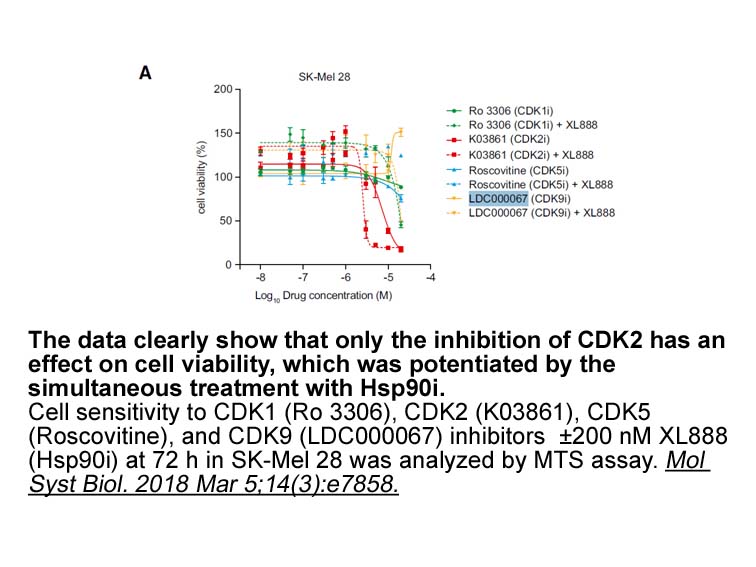
Materials and methods Results Discussion DNA repair pathways have evolved for a long time to act independently of one another. However, over the past decade several overlaps and crosstalks between these pathways were identified, showing that the DNA repair system is more complex than previo
-
The glycine receptor is an ionotropic neurotransmitter recep
2022-06-14
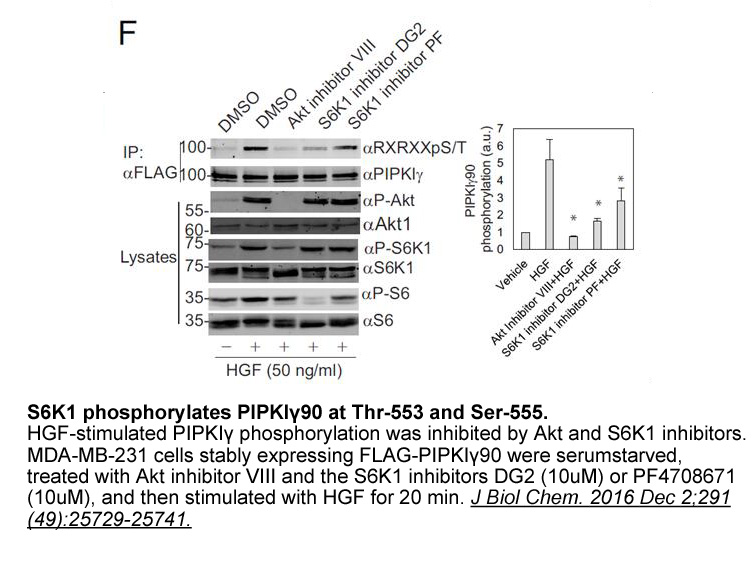
The glycine receptor is an ionotropic neurotransmitter receptor coupled to a chloride ion channel. Glycine receptors are typically described as inhibitory and distributed in the spinal cord and brainstem, though mRNA transcription labelling studies in rats show expression in the hippocampus, cingula
-
Polyunsaturated fatty acids PUFAs represent a
2022-06-14
Polyunsaturated fatty acids (PUFAs) represent a class of lipids that contain two or more carbon double (unsaturated) bonds (CC) and classified as n-3, n-6 and n-9 fatty acids. PUFAs including n-3 such as docosahexaenoic pge2 (DHA), eicosapentaenoic acid (EPA) and n-6 such as arachidonic acid (AA) a
-
ws3 receptor In this study our result
2022-06-14

In this study, our result suggests that exogenous GR agonist DEX and GR inhibitor RU486 can affect dopaminergic neurotransmitters in the brain. Pituitary adenylate cyclase-activating polypeptide (PACAP), an endogenous neuropeptide, can regulate the synthesis and release of catecholamine. McArthur et
8566 records 475/572 page Previous Next First page 上5页 471472473474475 下5页 Last page